How to Draw an Anchor Step by Step
This tutorial shows how to draw a ship anchor in six simple steps. It provides simple illustrated examples and quick tips.
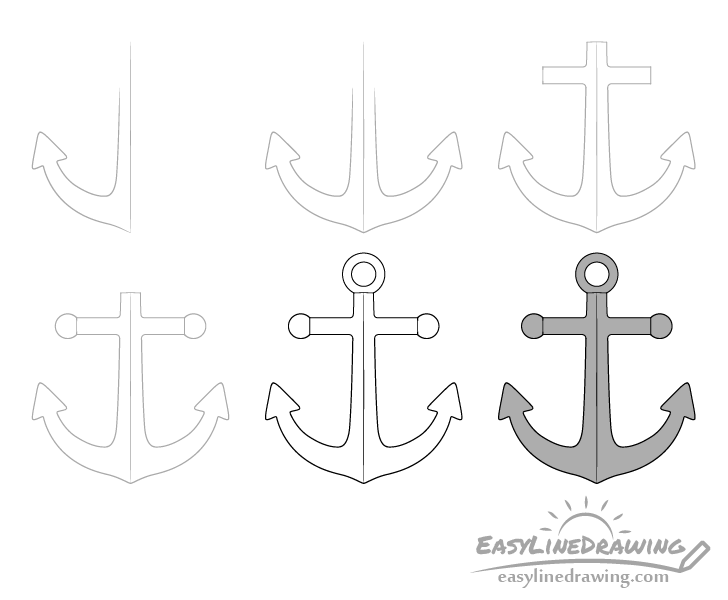
Ship anchors generally have very distinct shapes that make them easily recognizable. This guide shows how to draw one such device with a fairly “classic” look.
The different steps explain how to draw the anchor’s different parts. These include the stock, arms, flukes, slide, and ring. Overall, the guide is quite easy to follow and very beginner friendly.
While the examples are done in a way where you don’t necessarily have to do any erasing, it’s still recommended that you start in pencil and keep your lines fairly light so that you can easily erase them in case of a mistake. Darken your lines after you have all parts of the anchor outlined.
Step 1 – Draw the Center Edge of the Anchor
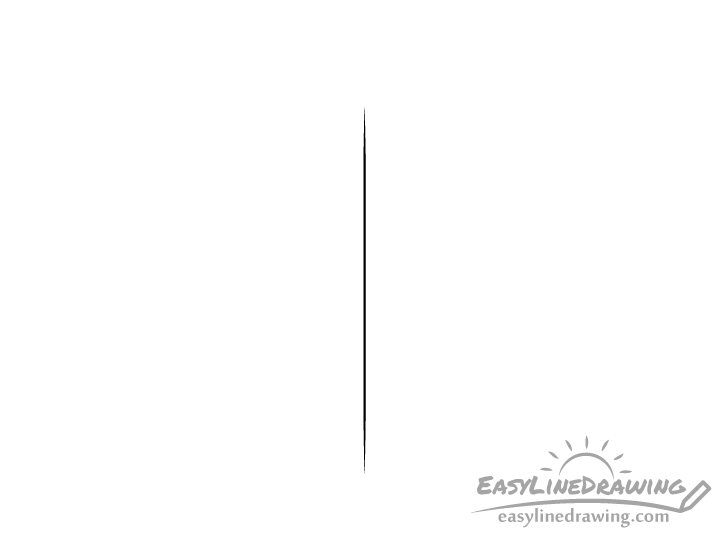
Start by making a vertical line through the middle of where you wish to position the anchor. This will both show the anchor’s center edge and act as a guide that can help you insure the drawing doesn’t become skewed to one side. The line can also make it easier to see if both halves of the anchor are even in width.
Step 2 – Draw the Anchor’s Shank
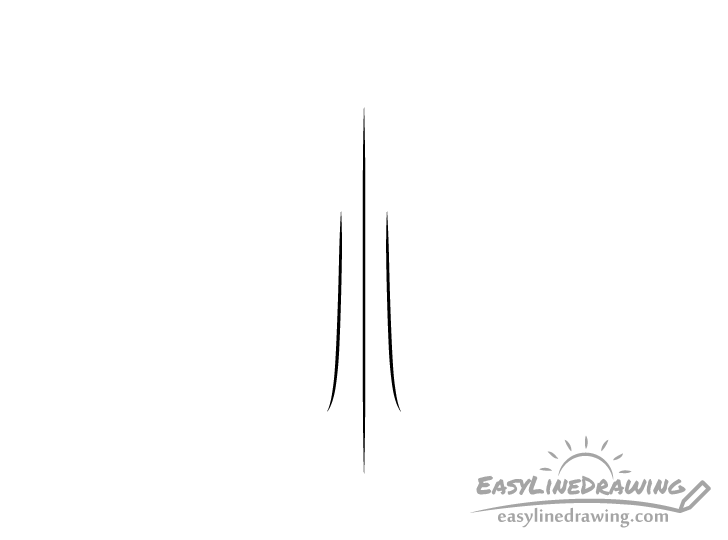
Based on the center line draw the anchor’s shank. Position this slightly closer to it’s lower end and make the shank wider as it goes down. Also, draw it’s sides to be slightly curved.
Step 3 – Draw the Anchor’s Arms
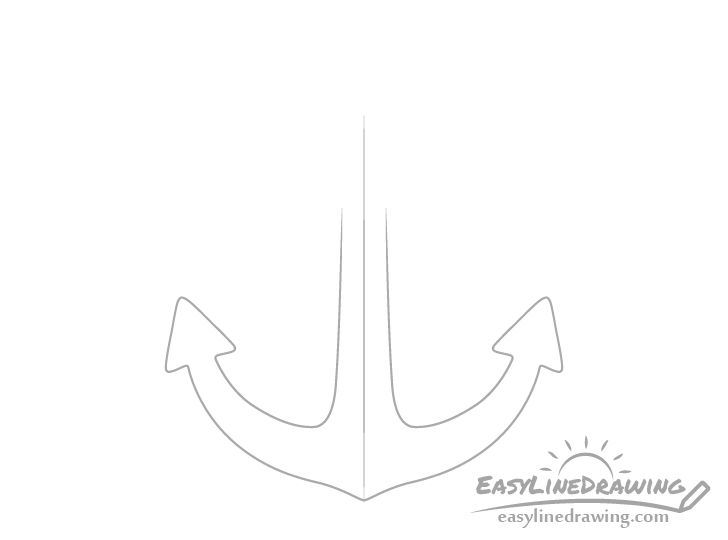
Curving up from the bottom of the shank draw the anchor’s arms. Make these narrower as they go up and join them at the bottom with a pointy downwards tip.
Step 4 – Draw the Flukes on the Ends of the Arms
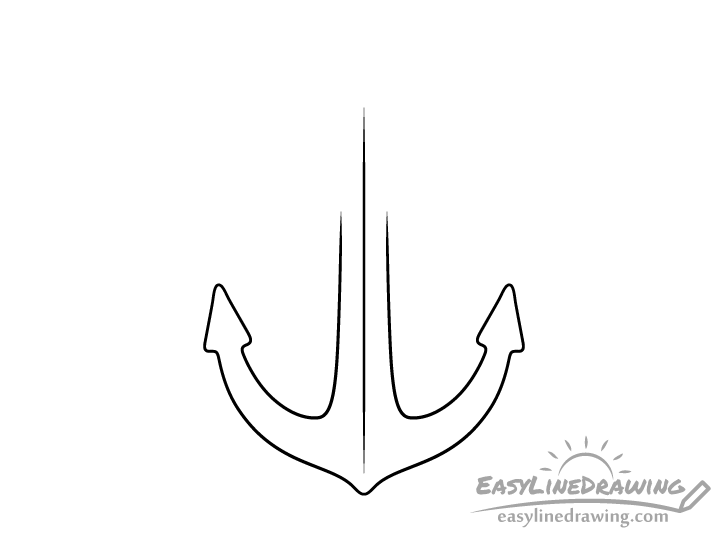
On the end of each arm add a fluke. The flukes should look similar to arrowheads or triangles (as shown in the image above). Draw each fluke on an angle so that they are pointing upwards but also slightly sideways.
Step 5 – Draw the Stock Parallel to the Shank
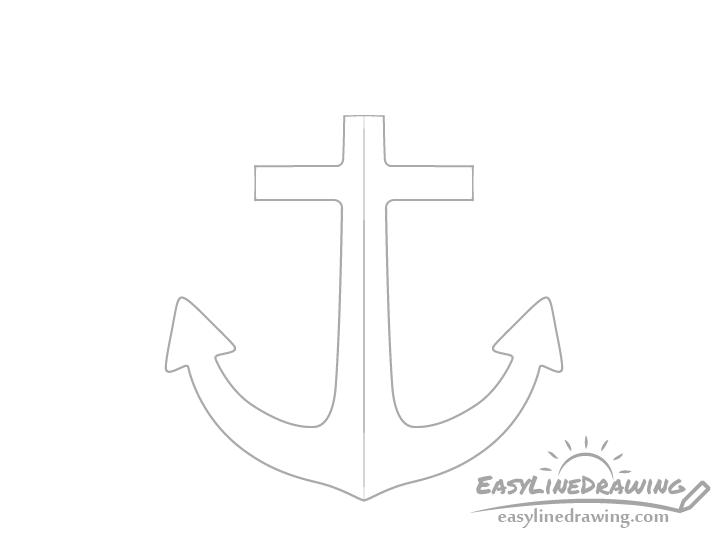
At the top of the shank’s outline draw the stock. This should run perpendicular to the shank. Make the stock wider in the middle and narrower as it goes to each side of the anchor.
Step 6 – Draw the Stock Ends
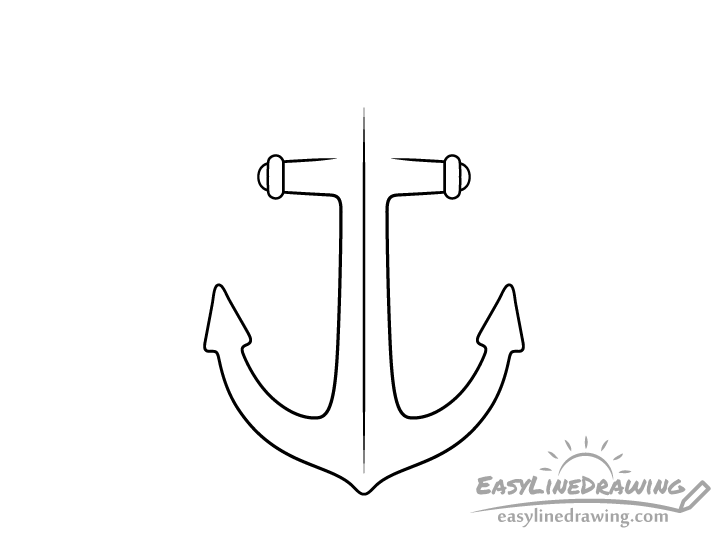
At each end of the stock draw a wider bit followed by a curved end as shown in the example. These are generally called “ball ends” and are often round in shape, however, in this case they are made slightly different just so that the anchor has a more interesting design.
Step 7 – Draw the Anchor Ring at the Top
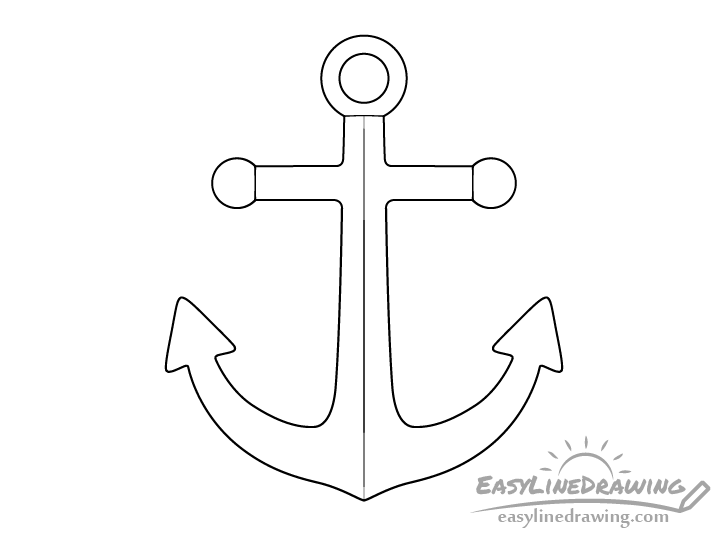
For the last part of the anchor add the ring at the top (usually called the anchor ring). To do so first slightly extend the shank upwards past the stock. Make this section narrower than the shank’s lower area. Next, at the very top draw a larger circle with a smaller one inside it to create the anchor ring.
Once you have all parts of the anchor outlined and are happy with the way things look, you can darken your lines by tracing over them with the pencil or a black marker.
Step 8 – Color the Anchor
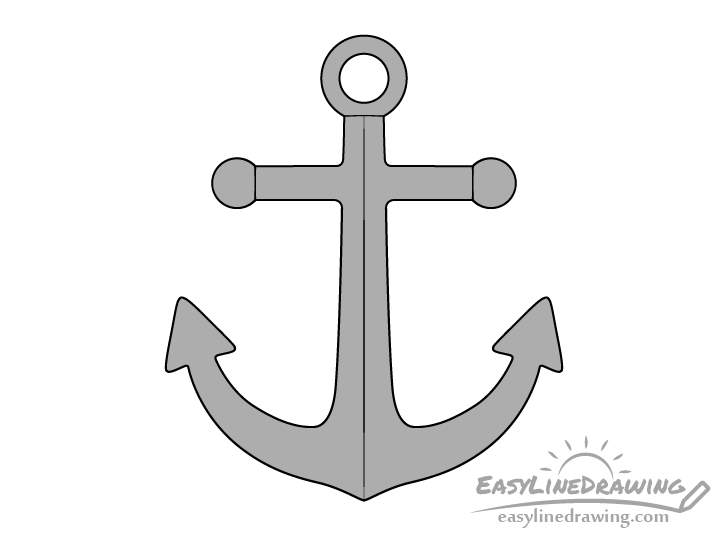
To color the anchor you can simply make it grey so that it looks like metal. You can also optionally mix in a little bit of blue into the grey as blue is often associated with water.
Simply use a regular pencil for the grey. You can then lightly go over it with a blue crayon. Once done you should have a finished drawing of a ship anchor with a somewhat “classic” look.
Conclusion
Ship anchors are fairly distinct and interesting looking objects. Drawing one similar to that in the example is not particularly difficult. However, it can definitely help to know what parts they consist of. It can also be very helpful to use a good drawing approach. In this case the anchor’s center edge is used as a guide line and it’s parts are draw around it one or a set at a time.
If you like these kinds of easy to follow step by step guides, also be sure to try the following:
- How to Draw A Boat Step by Step
- How to Draw a Palm Tree Step by Step
- How to Draw a Beach Ball Step by Step
- How to Draw a Fishing Pole Step by Step
- How to Draw a Lock Step by Step